


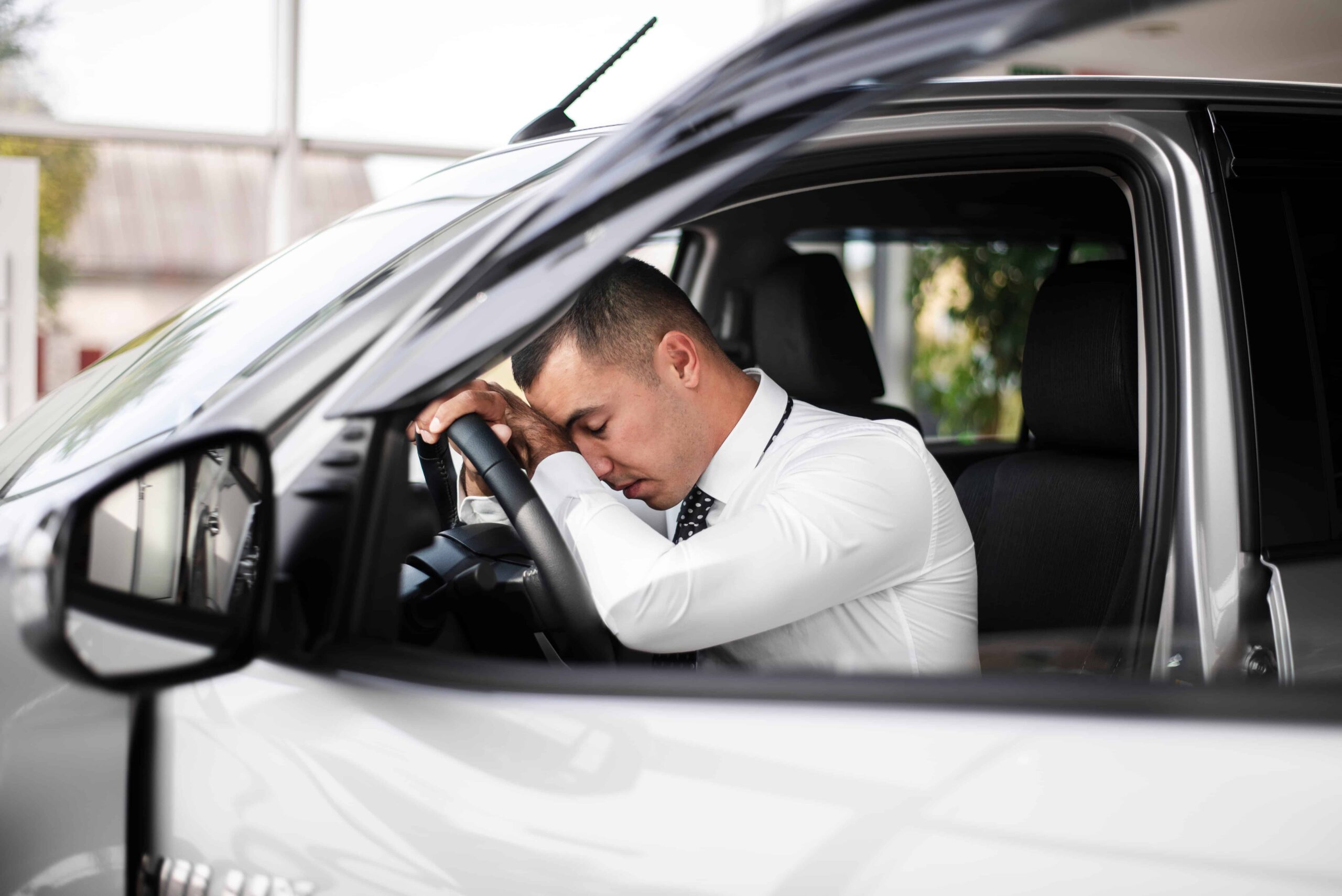
A rollover accident can change your life in a matter of seconds. One moment you are driving normally, and the next your vehicle is flipping, glass is breaking, and everything feels completely out of control. Even when people walk away from a rollover crash in Arizona without life-threatening injuries, many are left dealing with pain, anxiety, totaled vehicles, insurance pressure, and questions about who was actually at fault. One of the biggest misconceptions we see is that the driver whose car rolled over automatically caused the accident. That is not always true. Let’s break it down together.
What Is Considered a Rollover Accident?
A rollover accident happens when a vehicle tips onto its side or roof during a crash. Some rollovers involve a vehicle flipping only once, while others involve multiple rotations before the vehicle finally stops. In some cases, the vehicle may partially roll onto its side and then fall back onto its wheels. In more severe crashes, the vehicle can fully overturn several times across lanes or off the roadway. Rollover crashes can happen on highways, rural roads, intersections, or even during lower-speed collisions.
Because these crashes can happen in many different ways, victims are often surprised by what actually caused the vehicle to roll over.
What Causes Most Rollover Accidents in Arizona?
A lot of people picture rollover crashes as massive, high-speed disasters involving only extreme impacts. But in reality, many rollover accidents in Arizona start with something much more common, like a sudden lane change, a tire failure, or a driver drifting into another lane on the freeway.
SUVs, pickup trucks, vans, RVs, and campers are generally more vulnerable to rollover accidents because of their higher center of gravity. Arizona crash data also shows that pickup trucks accounted for more than 33,000 crashes in 2024, and some of them were rollover crashes. The type of vehicle matters, but roadway conditions and driver behavior often play a major role in how these crashes happen.
- Speeding and Highway Crashes
Many Arizona rollover accidents happen at highway speeds, especially on roads like I-10, I-17, Loop 101, and long desert highways where traffic moves fast, and drivers may become fatigued or less attentive over time. A sudden impact at freeway speed can easily cause a vehicle to lose stability, slide sideways, trip on a curb or shoulder, and roll. - Unsafe Lane Changes and Sideswipes
Unsafe lane changes and sideswipe crashes can push drivers off the roadway or into another vehicle, causing a rollover within seconds. This is one reason the fault becomes so heavily disputed after these crashes. - Drowsy or Distracted Driving
Drivers falling asleep behind the wheel or looking away from the road for only a few seconds can create devastating rollover crashes. These accidents often happen late at night, during long-distance travel, or in stop-and-go traffic where drivers react too late to slowing vehicles ahead. - Sudden Overcorrection
Sometimes a rollover happens after a driver drifts onto the shoulder and jerks the steering wheel too aggressively trying to recover. That sudden overcorrection can cause the vehicle to fishtail, slide sideways, and overturn, especially at higher speeds. - Tire Blowouts and Tread Separation
Arizona heat can be brutal on tires. During summer months, pavement temperatures can become dangerously high, increasing the risk of tire failures and tread separation, especially on older or underinflated tires. A sudden blowout at highway speed can make a vehicle impossible to control. - Road Hazards and Dangerous Road Conditions
Some rollover crashes involve more than driver behavior alone. Loose gravel, roadway debris, missing guardrails, poorly designed shoulders, uneven pavement, and construction zone hazards can all contribute to a vehicle losing stability and rolling over.
Why Rollover Accidents Are Often More Serious Than Other Crashes
Rollover crashes often cause far more damage than people expect, even when the accident does not initially look catastrophic from the outside. Unlike a typical collision where the force comes from one direction, rollover accidents can involve multiple violent impacts as the vehicle flips, slides, or crushes into the roadway.
Some of the biggest risks in Arizona rollover accidents include:
- multiple impacts as occupants are thrown around inside the vehicle several times
- ejection risk if seatbelts fail or occupants are partially thrown from the vehicle
- hidden neck, back, and brain injuries that may not appear immediately after the crash
- psychological trauma, including anxiety, panic attacks, sleep problems, or fear of driving afterward
- total vehicle loss, leaving victims suddenly without transportation, work access, or personal belongings
- insurance companies arguing the driver simply “lost control,” even when another vehicle or dangerous roadway condition may have contributed to the rollover
Some victims feel relieved when emergency scans look normal, only to develop worsening pain, headaches, dizziness, or emotional trauma days later. That delayed pain is one reason rollover accident claims can become more complicated than people expect. Another reason is fault determination itself. Insurance companies often investigate these crashes aggressively because rollover accidents may involve disputes over comparative fault, roadway hazards, vehicle defects, or whether another driver contributed to the crash.
Who Is At Fault in an Arizona Rollover Accident?
Many people assume the driver whose vehicle rolled over automatically caused the crash. That is not always true.
In Arizona, rollover accidents are often much more complicated than they first appear. A vehicle may roll because another driver forced it off the road, a tire failed at highway speed, cargo shifted unexpectedly, or dangerous road conditions caused the driver to lose control. In some crashes, several factors contribute at the same time.
Arizona also follows a pure comparative negligence system under A.R.S. § 12-2505. That means more than one party can share fault for the same accident, and injured victims may still recover compensation even if they were partially responsible.
When the Driver May Be At Fault
Some rollover crashes happen because of driver mistakes or dangerous driving behavior. Common examples include:
- speeding
- distracted driving
- impaired driving
- aggressive lane changes
- taking curves too fast
- overcorrecting after drifting off the roadway
Even when a driver made a mistake, that does not always mean they are 100% responsible for everything that happened afterward. Another driver, a dangerous roadway condition, or a vehicle defect may still have contributed to the crash or made the injuries worse.
Another Driver May Be Responsible
Some rollover accidents begin because another driver created the dangerous situation in the first place. This can happen when a driver:
- rear-ends another vehicle at highway speed
- cuts into another lane without enough space
- sideswipes another vehicle during a merge
- forces someone onto the shoulder
- runs a red light
- brake-checks another driver
- drives aggressively through traffic
- allows a commercial truck or trailer to drift into another lane
One of the biggest frustrations victims face after these crashes is hearing insurance companies suggest they simply “lost control” of their own vehicle. But if another driver forced you off the road or triggered the rollover, they may still be legally responsible for the crash.
Dangerous Road Conditions and Roadway Hazards
Some rollover crashes happen because drivers react suddenly to dangerous conditions on the road. Loose truck debris, blown tires in traffic lanes, uneven shoulders, missing guardrails, loose gravel, flooding, poor construction zones, or sudden pavement drop-offs can all cause a driver to lose stability and roll over. Some victims never even collide directly with another vehicle. Instead, they swerve to avoid debris, another driver, or a roadway hazard and the vehicle overturns during the maneuver.
Single-Vehicle Rollovers Are Not Always the Driver’s Fault
Not every rollover accident involves another vehicle directly hitting you. In some cases, the crash happens because something fails mechanically or the vehicle does not properly protect the people inside during the rollover.
Depending on the circumstances, liability may involve tire manufacturers, automakers, repair shops, cargo loading companies, or other parties connected to the vehicle itself. A tire blowout at freeway speed, improperly secured cargo shifting inside a van or camper, defective suspension components, or a dangerously unstable vehicle design can all contribute to a rollover crash.
That combination leaves many people overwhelmed while trying to recover physically, emotionally, and financially at the same time. And while not every rollover accident can be prevented, certain driving habits and vehicle safety precautions can help lower the risk on Arizona roads.
Tips to Help Reduce the Risk of a Rollover Accident in Arizona
Not every rollover accident can be avoided, especially when another driver causes the crash. However, some driving habits can help reduce the risk of losing control during dangerous situations on Arizona roads. A few important safety tips include:
- avoid sudden aggressive steering at highway speeds
- keep tires properly inflated and inspect them regularly, especially during Arizona summer heat
- slow down on curves, ramps, and uneven shoulders
- leave enough space between vehicles on the freeway
- avoid distracted or fatigued driving during long desert trips
- secure heavy cargo properly inside trucks, vans, RVs, or campers
- wear your seatbelt every time you drive or ride in a vehicle
When a rollover crash does happen, many victims quickly realize how overwhelming the aftermath can become.
How an Arizona Rollover Accident Lawyer Can Help
After a rollover accident, many people are left trying to manage pain, medical appointments, insurance calls, vehicle loss, and missed work all at once. Since these accidents happen so fast, it is not always immediately clear what actually caused the rollover.
At Esquire Law, we help rollover accident victims investigate the crash, preserve important evidence, and deal with insurance companies that try to shift blame or minimize injuries.
Depending on the case, that may include:
- investigating whether another driver contributed to the rollover
- preserving the vehicle before critical evidence disappears
- reviewing black box and crash data
- documenting delayed or hidden injuries
- working with accident reconstruction experts when needed
- identifying additional insurance coverage
- calculating long-term medical and financial losses
- handling communication and negotiations with insurance adjusters
A rollover accident can leave you dealing with much more than vehicle damage. Even when injuries seem minor at first, the physical, emotional, and financial effects of these crashes can follow people long after the accident itself.
If you have questions about your accident or want to understand your legal options, our Phoenix-based rollover accident lawyers are available 24/7 to talk. You do not have to handle everything on your own while trying to recover.