


Driving in Arizona isn’t just about getting from point A to point B. With over 125,000 car crashes reported each year in our state, driving here can sometimes feel more like survival than routine. And while you can’t control what others do on the road, you can take steps to protect yourself, your passengers, and even your future claim if things go wrong. That’s where defensive driving comes in.
What Is Defensive Driving?
Defensive driving means actively anticipating risks and making smart decisions to avoid them. It’s not just about being cautious. It’s about staying aware, reacting wisely, and protecting your legal standing in case of a crash.
1. Plan For Your Trip Ahead
The smoother your plan, the safer your drive. Know your route. Avoid busy roads if you’re nervous. Consider timing, weather, traffic, even your mood. If it’s rush hour and the car is chaotic, leave early and prep distractions for the kids. Enter your destination into your GPS before you drive. Rushed or distracted behavior can be used to question fault after a crash.
2. Stay Alert at All Times
Eliminating distractions is arguably the most important thing you can do to keep yourself safe on the road. That’s because while you may be following traffic safety laws, others may not. If you are alert and attentive, you will be able to anticipate and avoid them and any other dangers you may encounter on the road. Hazards can come from anywhere. It could be another driver, a stopped vehicle, a blockage in the road, or even a pedestrian. However, if you are keeping your eyes on the road and your wits about you while defensive driving, you will be able to avoid danger.
3. Watch Speed Limits
Speeding has killed millions. According to the National Highway Safety Administration (NHTSA), 12,151 people were killed in speeding-related incidents alone in 2022. While in the moment, the need to get to where you’re going may seem urgent, it’s not worth risking your life or the lives of others. Always pay attention to the speed limit and make sure you are driving accordingly. Additionally, it is important to note that you should always match the flow of traffic around you. Driving too slowly can also pose a threat to your safety.
4. Control Your Emotions
Road rage and emotional driving are the cause of thousands of deadly car accidents every year. A 2024 report from Forbes Advisor ranked Arizona as having the highest rate of aggressive driving in the US. Road rage is never acceptable and can lead to hefty felony charges of aggravated assault or disorderly conduct with a weapon. Although it may temporarily feel good to let another driver have it, the consequences of your actions may not be worth the emotional release. Plus, anger isn’t the only emotion that can impact your ability to drive. If you are stressed out, driving might be too much for you to handle until you calm down. If you are crying, pull over immediately. Tears can obstruct your ability to see the road and think clearly.
5. Eliminate Distractions
They say distracted driving is the new drunk driving. We live in an increasingly connected world. It can be hard to put down your phone or other devices even for just a moment when you are at the wheel. However, nothing is worth risking your safety or the safety of others. Distractions aren’t limited to just your phone. Your focus can also be fractured by talking to or caring for other passengers including your children, changing the radio station, or looking at navigation devices. Eating, applying makeup, or watching a show on your mobile device are all an accident waiting to happen. Before you take to the driver’s seat, ensure that you’re able to fully focus on the road by tuning out distractions.
6. Follow At a Safe Distance
We’ve all been there. You’re late to work and the person in front of you is driving slower than your great-grandmother. There’s stop-and-go traffic and it’s impossible to switch lanes. While you may be tempted to creep up closely behind the driver to prompt them to drive faster, it’s one of the worst things you can do. Let’s say the driver in front of you slams on their brakes and you rear-end them. Now you’re even later than you would have been if you’d patiently kept a safe distance. Plus, it’s difficult for even the best lawyers to prove the other driver is at fault in a rear-end collision. When it’s a rear-end collision, chances are that if you are the following driver, you will be at fault. Do yourself a favor and always leave a minimum of three or four seconds of stopping time.
7. Pass At a Safe Distance
Passing other vehicles at a safe distance is just as important as following with enough space between you and the other cars. When you pass another vehicle, leave plenty of space when you move in front of them. That way, they won’t feel caught off guard and slam on their breaks causing a traffic collision. Once you’ve passed a vehicle, move out of the passing lane (left lane) to allow other cars a chance to pass, especially if you are driving slowly.
8. Give Yourself Time to Brake Early
Constantly slamming on your brakes will not only cause them to wear down over time, but it can also be the cause of a traffic collision. Give yourself plenty of time to stop as soon as you see the brake light go on on the vehicles in front of you. A good rule of thumb is to always follow the speed limit and allow about 2-3 car lengths of distance between you and the vehicle in front of you. That way you will give yourself and the other cars behind you enough time to stop without causing a fender bender.
9. Expect The Unexpected
Any time you get behind the wheel of a vehicle, you have to accept the fact that an accident could happen. However, you can greatly decrease the chances of a crash happening by expecting the unexpected. For example, when the traffic light turns green, instead of mindlessly stepping on the gas, check that the intersection is clear. Even though you have the right-of-way, another driver could illegally run a red light and t-bone your car. However, when you take preventative measures by expecting the unexpected, you can protect yourself from dangerous collisions. If something unexpected does happen, remain calm. That’s the best thing you can do to keep safe.
10. Do Not Rely On Other Drivers
When driving, your number one priority is to protect yourself. While it is considerate to think of other drivers as you travel along, you should always prioritize your safety. You can never be sure that another driver will move out of the way, yield to you, or allow you to merge. Always assume that other drivers are distracted and cannot see you. Think about what you will do if another driver rear-ends you, pulls out in front of you, or runs a red light or stop sign. If you see someone driving recklessly and you can safely get their license plate number, report them to the authorities to protect yourself and other drivers. However, it is ultimately not your responsibility to control how others drive
11. Avoid Left Turns on Busy Roads
Left turns across traffic can be some of the most dangerous moves in Phoenix driving, especially on wide, high-speed roads with multiple lanes. If you can’t clearly see oncoming traffic or feel rushed to make the turn, it’s not worth the risk. Turn right instead and use a light or quieter road to double back. This is a smarter, safer move that buys you time and lowers your stress. Many serious Arizona crashes happen during left turns across traffic.
12. Respect Big Vehicles
Trucks and buses carry a lot of weight and take a lot more space to stop or maneuver. Don’t swerve in front of them, thinking you’ll save a few seconds. If they rear-end you, it may still be your fault. Give them space to merge, brake, and turn. If you can’t see their mirrors, they probably can’t see you. Collisions with large vehicles often cause serious injuries and lead to complex legal liability.
13. Don’t Panic in Construction Zones
Phoenix always seems to be under construction. These zones often pop up without much warning. Slow down when you see signs, follow any detour markings, and resist the urge to weave through cones or speed past crews. Be extra cautious at night or in unfamiliar areas. Accidents in work zones often result in higher penalties and fines.
14. Blind Spots: Yours and Theirs
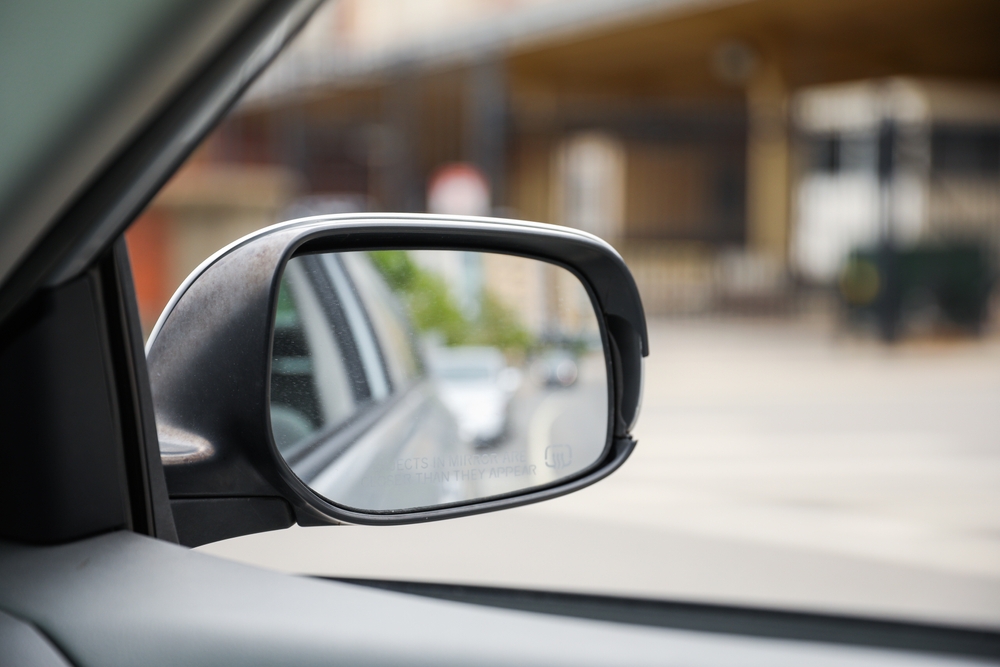
Most people forget how dangerous blind spots can be until it’s too late. Don’t linger next to someone’s rear quarter panel, especially near semis or buses. Either pass confidently or hang back. Use your mirrors often, and if your car doesn’t have blind spot monitors, get add-on ones for cheap. Many accidents happen when someone “didn’t see” the other car.
16. Use GPS for More Than Direction
Navigation apps like Google Maps and Waze can do more than guide your route. They help you anticipate problems like sudden slowdowns, closures, or crash scenes before you see them. That extra heads-up can give you time to brake gently, change lanes safely, or avoid a risky area altogether.
Driving defensively means adjusting to more than just traffic. It means adapting to where you are. In Arizona, the road comes with its own unique set of challenges.
Arizona Local Hazards You Shouldn’t Ignore
Arizona drivers face some unique challenges:
- Monsoons & Flash Flooding: Sudden storms can turn highways into hazards in minutes. Hydroplaning and low visibility are major threats.
- Desert Glare & Heat: Blinding sun and hot pavement can lead to poor reaction times, blown tires, and drowsy driving.
- Tourism & Freeway Congestion: From snowbirds to spring training, tourist traffic can clog the I-10, 202, and 17, especially in Phoenix.
- Red Light Runners: Especially common in Phoenix. Always pause before entering an intersection when the light turns green.
- Aggressive Driving: Tailgating, lane bullying, and speeders are part of the road culture here. Staying calm and in control is key.
Still, even with all the preparation in the world, accidents happen.
If a Crash Happens: What To Do Next
Even when you do everything right, accidents still happen. Here’s what to do:
- Call 911. Always report the accident. An official police report is often critical for your insurance claim and any legal action that follows.
- Document Everything. Use your phone to take photos and video of the vehicles, any visible injuries, the location, weather conditions, and license plates. Write down what happened while it’s still fresh in your memory.
- Exchange Info. Get names, driver’s licenses, license plates, phone numbers, and insurance details from everyone involved. If there are witnesses, get their info too.
- Get Medical Help. Don’t shrug off pain or dizziness. Some injuries, like concussions or internal damage, may not show up right away. Get checked and keep records of your treatment.
- Talk to a Lawyer Before the Insurance Company. Insurers want to protect their bottom line, not your best interest. We can help you handle their calls, protect your rights, and avoid common pitfalls that hurt your claim.
- Know the Deadline. In Arizona, most personal injury claims must be filed within 2 years, but for cases involving city or state vehicles, the deadline can be as short as 180 days. Acting quickly protects your rights.
Get in Touch with Esquire Law for Car Accident Law Services
We know that dealing with a crash is overwhelming. You’re hurt, your car is wrecked, and insurance adjusters are calling nonstop. You don’t have to face it alone. Our team at Esquire Law is here to help you navigate the process, protect your rights, and fight for the compensation you deserve.
Call us today for a free consultation. Let’s get you back on track.