


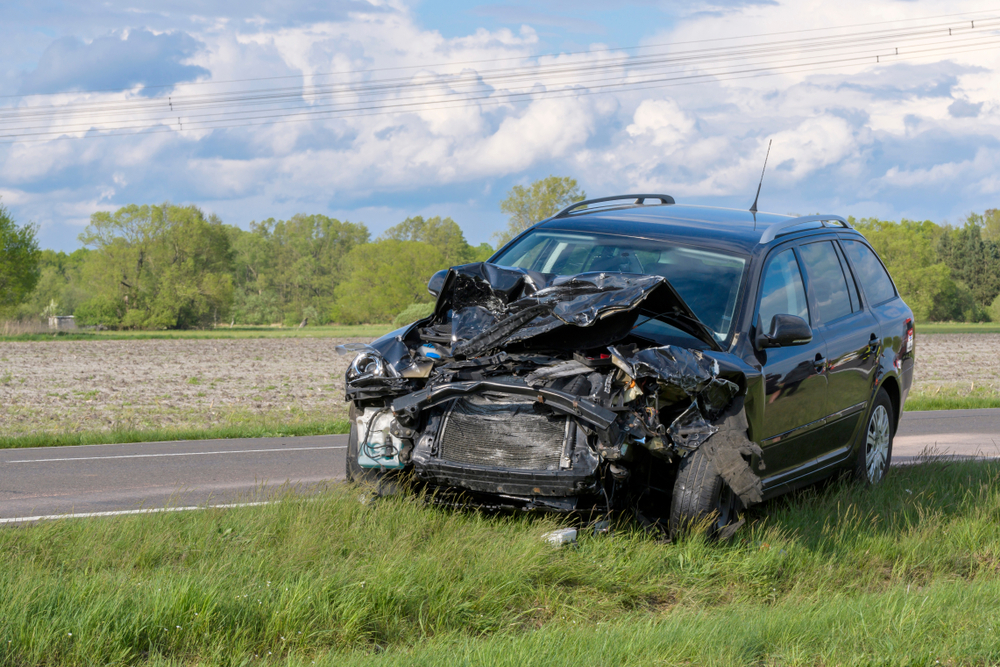
Being involved in a car accident is stressful as is, but watching your totaled car be towed away can set you over the edge. Even though it may feel like the end of the world right now, it’s not. You might be wondering how much insurance will pay for a totaled car.
What Is Considered a Total Loss (and What’s Not)
A car is considered a total loss when an insurer determines it’s not worth repairing, either because the repair cost is too high relative to the car’s value, or because the damage makes it structurally unsafe.
However, not every heavily damaged car is considered totaled. Here are some common situations where a car may seem totaled but isn’t:
- High Repair Costs but Below Threshold: If your car’s repair costs are significant but still under your state’s total loss percentage, the insurer may require repairs instead of a payout.
- Cosmetic Damage: Extensive dents, scratches, or paint damage may look severe but won’t necessarily make the car a total loss.
- Older Cars with Lower Market Value: An older car with minor damages might reach the total loss threshold quickly, but a newer car with significant damage might not be considered totaled.
- Drivable Condition: If the car is still safe to drive despite damage, the insurance company may opt for repairs instead of declaring it a total loss.
If your insurance company decides that your car is totaled, you’ll be reimbursed for the book value of your vehicle.
How Arizona Determines a Total Loss
Most states apply a fixed percentage rule, if repairs exceed, say, 75% of your car’s value, it’s totaled. Arizona works differently, and this is something a lot of people get wrong.
Arizona uses the Total Loss Formula (TLF). Rather than a fixed percentage, insurers apply this calculation:
Repair Costs + Salvage Value ≥ Actual Cash Value (ACV)
The salvage value, in other words, what your damaged car is worth to a salvage yard in its current state, is part of the equation. That means even a car with moderate repair costs can be totaled if its salvage value is high enough. If that combined number meets or exceeds your car’s pre-accident market value, the insurer must declare it a total loss under Arizona law.
Here’s how it plays out in practice: Say your car’s ACV is $15,000. The repair estimate comes in at $10,000, and the salvage yard would pay $6,000 for it as-is. Add those together: $10,000 + $6,000 = $16,000, which exceeds the $15,000 ACV. Under Arizona law, the insurer must declare it a total loss.
If you’ve received a total loss determination and the math doesn’t seem right, you have the right to request the insurer’s full valuation breakdown and challenge it.
How Insurers Calculate What Your Car Is Worth (ACV)
Actual Cash Value is the market value of your vehicle immediately before the accident. It’s not what you originally paid for it, and not what a new replacement would cost. Insurers calculate ACV based on several factors:
- Year, make, and model — some vehicles hold value better in the Phoenix market than others
- Mileage — higher mileage typically reduces ACV
- Pre-accident condition — documented maintenance records and recent repairs can support a higher value
- Trim level and installed features — a base model and a fully loaded version of the same car are not valued the same
- Prior damage history — past accidents on the vehicle’s record reduce ACV
- Local market comparables — insurers are supposed to reference vehicles of similar year, make, model, mileage, and condition selling in your area
That last point is where many Arizona drivers get shortchanged. Insurers may use outdated comparables or pull listings from outside the Phoenix metro, which can meaningfully undervalue your car. Under Arizona law, the settlement should reflect what a comparable vehicle actually costs in the local market. If you’re seeing higher prices on local listings for a similar vehicle, document that before responding to any offer.
What Arizona Law Says Your Total Loss Settlement Must Include
Most people assume the payout is simply their car’s value minus their deductible. Under Arizona law, there are actually two things that shape what you’re owed, and insurers don’t always get both right.
Taxes and Fees the Insurer Must Cover
Arizona law requires insurers to include these costs in your settlement whether you’re filing through your own insurer or pursuing the at-fault driver’s. In plain terms: when you replace your totaled vehicle, you’ll owe sales tax, registration fees, a title transfer fee, and Arizona’s air quality fees at the DMV. Your insurer is required to cover those costs as part of your settlement.
any insurers leave these out of the initial offer. If your settlement doesn’t itemize them, ask for a revised breakdown before you sign anything. It’s a legitimate request, and Arizona law supports it.
How Your Deductible Affects the Final Number
Once ACV is established and the required fees are accounted for, your deductible comes out before the insurer issues the check:
- Car’s ACV: $18,000
- Your deductible: $1,000
- Your payout: $17,000
Your deductible applies whether you’re financing, leasing, or owning the car outright. And if the accident wasn’t your fault, you may be able to recover your deductible from the at-fault driver’s insurer once liability is established; more on that in the next section.
Types of Coverage for Totaled Cars
When it comes to car insurance coverage, you have options. Below are several types of coverage options that can help you with your totaled car.
Collision Insurance
This coverage pays for damages to your car caused by a collision with another vehicle or object. If your car is totaled after colliding with a vehicle, object, tree, or guardrail, auto collision insurance will cover the damages regardless of who is at fault.
Comprehensive Insurance
Comprehensive car insurance covers damages caused by fires, floods, severe weather conditions, or any other circumstance beyond your control. This type of insurance can also cover your vehicle’s value, not including your car insurance deductible. Comprehensive insurance can also cover repairs for vehicles that were stolen and then later found.
Gap Insurance
Guaranteed Auto Protection (GAP) insurance is an optional add-on to your coverage. If a car is declared a total loss, this insurance addition helps bridge the gap between the amount owed on the vehicle and the ACV. This means you won’t be responsible for repaying the remaining balance on your car lease. This type of coverage might be required by the lender if you lease a car.
New Car Replacement Insurance
Unlike GAP insurance, New Car Replacement insurance is an optional type of financial protection that covers a brand-new vehicle. However, you will still have to make payments on your lease. New Car Replacement insurance is recommended for those insuring vehicles that are less than one year old and have less than 15,000 miles.
Steps To Take After Your Car Is Totaled
The best piece of advice we can give you following a car crash is to stay as calm as possible. We understand that staying calm is a tall order, but it’s really important to stay proactive rather than reactive during this time. Here are some tips.
1. Immediate Actions Post-Accident
Prioritize your safety, check for injuries, and call law enforcement. If you were in a collision with another vehicle, swap information with the other party and collect names, addresses, and insurance details. Document the scene by taking pictures of damages and relevant details and obtain any surveillance footage if possible.
From there, you should seek immediate medical attention regardless of how minor you think your injuries are.
2. Filing a Claim With Your Insurance
Report the accident to your insurance company, but give them any details until you’ve spoken with an experienced car accident attorney. If you were in an at-fault accident, anything you say to insurance can be held against you during legal proceedings. Give yourself the best chance at receiving maximum compensation by contacting the team at Esquire Law.
5. Contact a Car Accident Attorney
Contacting an attorney is one of the smartest moves you can make following a collision. Car accidents are complicated and representing yourself is extremely hard. Esquire Law takes the added weight off your shoulders so you can fully recover without the extra stress.
With a proven track record and countless success stories, Esquire Law is ready to take on your case. Contact us for a free evaluation.
4. Negotiating With Insurance Companies for a Fair Settlement
Make sure you understand your insurance policy before negotiating. That being said, you have every right to negotiate with an insurance company for a fair settlement. We know that you might want to settle early, but settling early can result in you not receiving the compensation you need. Leave the negotiating to the pros and contact Esquire Law.
What Happens To Your Car?
When your car is totaled, it’ll either be auctioned off to a salvage yard or you can keep it. More often than not, your car will be towed away to a salvage yard unless you’re permitted by law to take it home. If you keep your car, it will receive a salvaged title. You can also give your totaled car to charity for a tax deduction.
Disputing a Low Insurance Payout
If the offer feels low, you don’t have to accept it. Insurers are not always accurate in their valuations, and some practices routinely work against you, using outdated comparables, inflating salvage values, or applying condition deductions that aren’t justified.
Here’s how to push back effectively:
- Request the full valuation report. Ask the insurer to provide exactly how they calculated your car’s ACV: the comparables used, any mileage adjustments, and condition deductions.
- Research local listings. Search for vehicles with the same year, make, model, trim, and mileage currently listed in the Phoenix metro area. Arizona law requires comparables to reflect the local market.
- Document upgrades and recent maintenance. New tires, a recent transmission replacement, or other significant work can support a higher value. Gather receipts before you respond.
- Get an independent appraisal. Arizona does not require a special license for a policyholder’s appraiser. Under your policy’s appraisal clause, you can retain an independent appraiser to challenge the insurer’s figure.
- File a complaint with Arizona DIFI. Under A.R.S. § 20-461(A)(7), insurers are barred from failing to make prompt, fair, and equitable settlements when liability is clear. DIFI handles consumer complaints and can apply independent pressure.
If the dispute involves a meaningful gap, or if you’re also dealing with injuries from the same accident, talking to an attorney before signing anything is worth the time. Once you accept a settlement and sign a release, those options close.
Get Help Navigating Insurance Payouts for Totaled Cars
If you’ve recently been involved in a car accident in Arizona, you’re in good company. If your car was totaled, our car accident lawyers can help guide you through the legal complexities of insurance payouts and assist you in achieving the highest compensation available.
Through superior representation and a commitment to our clients, we promise to fight for your rights. Don’t negotiate with insurance companies alone. Choose Esquire Law today. Our lawyers are ready to take your call no matter what time or day it is—and the best part is that it’s 100% free and confidential.