


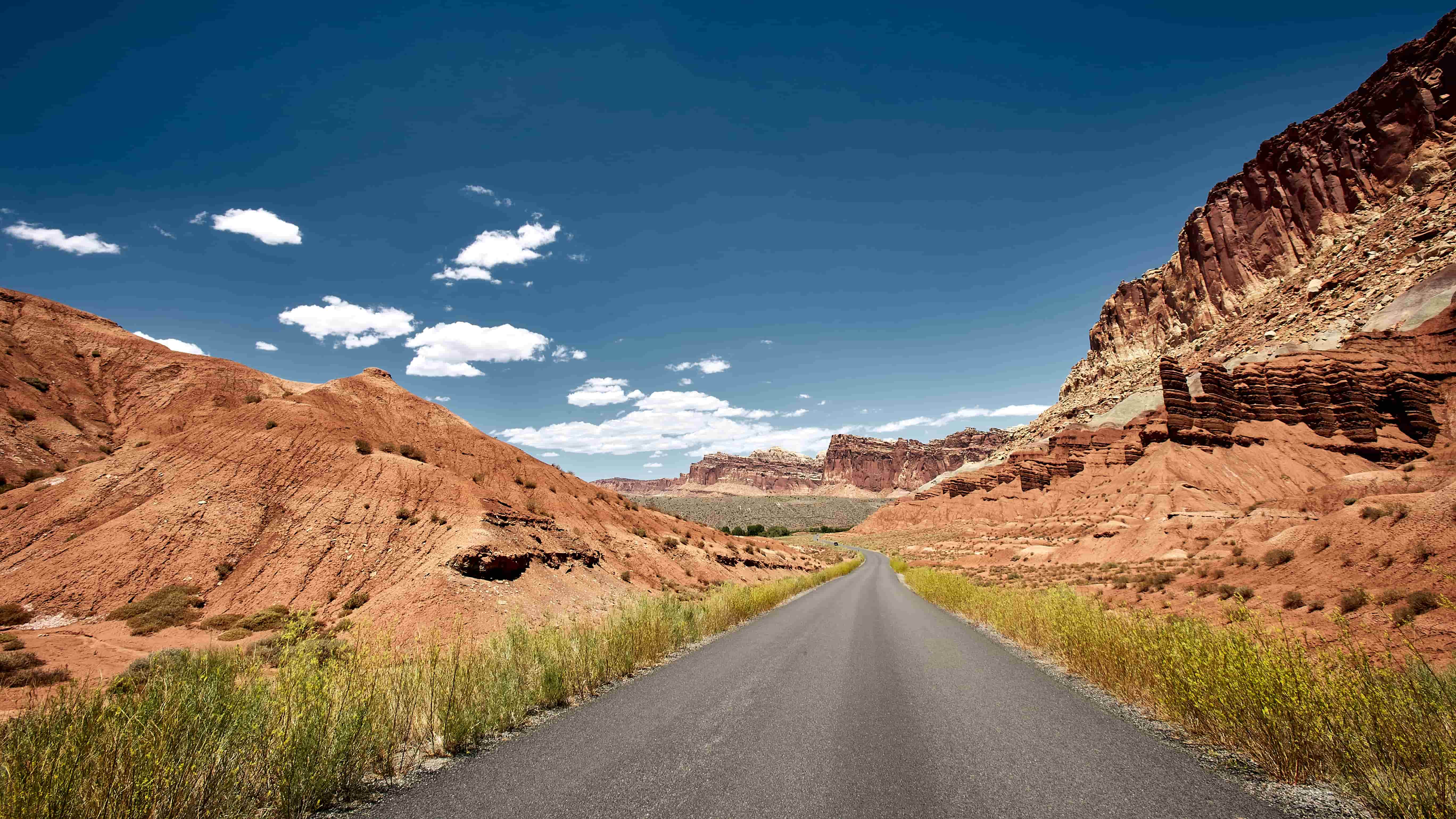
Spring Break road trips in Arizona often start the same way: a full tank of gas, a playlist ready, and plans to visit places like Phoenix, Sedona, Flagstaff, or the Grand Canyon. On the map, the drive looks simple with long highways, open desert, and plenty of sunshine. But once the trip begins, many travelers realize Arizona roads can be more demanding than expected, especially when distances add up, and schedules get packed. Rushing between destinations, driving tired, or navigating unfamiliar routes can quickly make the journey more stressful than planned. A little preparation before you leave can help keep the road trip smooth and enjoyable.
Top Arizona Spring Break Destinations and the Roads
Spring Break road trips in Arizona often revolve around a handful of iconic places. Many travelers follow similar highways connecting desert cities, mountain towns, and national parks.
- Sedona – Known for its red rock scenery and hiking trails, most travelers reach Sedona via I-17 → AZ-179, while the scenic AZ-89A through Oak Creek Canyon connects Sedona to Flagstaff with winding mountain views.
- Flagstaff – A cooler mountain city surrounded by forests and outdoor recreation, commonly reached via I-17 from Phoenix, with I-40 and US-180 connecting travelers to other northern Arizona destinations.
- Grand Canyon (South Rim) – One of the most visited natural landmarks in the country, typically accessed through I-17 → AZ-64 via Williams or US-180 → AZ-64 from Flagstaff.
- Page / Horseshoe Bend / Antelope Canyon – Famous for dramatic desert landscapes and slot canyons, these northern Arizona spots are usually reached by driving US-89 from Flagstaff.
- Prescott & Jerome – Historic mountain towns with scenic drives and small-town charm, connected by AZ-69 from Phoenix and the winding AZ-89A scenic highway.
- Tucson & Saguaro National Park – Southern Arizona’s desert landscapes and towering saguaro cacti are most commonly reached via I-10 between Phoenix and Tucson.
Because so many travelers follow these same routes, certain highways see a noticeable surge in traffic during Spring Break.
Why Spring Break Driving in Arizona Can Be Different From a Normal Road Trip
Spring Break changes the pace of driving across Arizona. Roads that normally feel relaxed suddenly fill with vacation traffic, rental cars, and visitors navigating unfamiliar highways between major destinations. Here are a few Arizona-specific factors that often make Spring Break driving a little different.
Heavy Travel on Arizona’s Most Popular Spring Break Routes
During Spring Break, some Arizona corridors see a noticeable jump in traffic. Routes connecting Phoenix to popular destinations like Sedona, Flagstaff, and the Grand Canyon often carry a steady flow of vacation travelers, tour buses, and local traffic. Drivers may encounter congestion, frequent lane changes, and slower-moving vehicles as people enter and exit scenic areas. Even highways that normally feel wide open can become much busier during peak travel days.
Out-of-State Drivers Navigating Unfamiliar Roads
Spring Break brings thousands of visitors to Arizona from neighboring states. Many are driving rental cars or traveling on roads they’ve never seen before. That can lead to sudden braking, missed exits, last-minute lane changes, or drivers slowing down unexpectedly while searching for directions or scenic pullouts.
Arizona Distances Are Longer Than They Look on a Map
Arizona’s landscapes are wide and spread out, and destinations that appear close together on a map often require several hours of driving. Visitors frequently plan routes that combine multiple stops in one day, for example, Phoenix, Sedona, and Flagstaff, without realizing how quickly driving time adds up once traffic, food stops, and sightseeing breaks are included.
Packed Spring Break Itineraries Can Lead to Driver Fatigue
In the results, many travelers want to experience as much of Arizona as possible in just a few days. But long drives between destinations, combined with early starts and full sightseeing schedules, can make drivers more tired than they expected. Fatigue often builds gradually, especially on long desert highways where the scenery and road conditions remain steady for miles.
Spring Weather Changes Between Phoenix and Northern Arizona
Arizona’s elevation varies dramatically across the state. While Phoenix and Scottsdale sit around 1,000 feet above sea level, places like Flagstaff and the Grand Canyon are more than 7,000 feet high. That means a drive that begins in warm desert sunshine can end in cooler temperatures, wind, or rapidly changing spring weather conditions farther north.
If you know these Arizona-specific travel factors, this can help to plan and enjoy the journey more comfortably, which is exactly why a few practical Spring Break driving tips can make such a difference.
Spring Break Driving Safety Tips for Arizona Road Trips
Spring Break road trips in Arizona are part of the fun with long desert highways, dramatic landscapes, and iconic stops like Sedona or the Grand Canyon. But a smooth trip usually starts with a little preparation. These practical driving tips can help you stay comfortable, alert, and ready for the unique conditions Arizona roads can bring.
Get Your Car Ready Before You Leave
Many Spring Break road problems start before the trip even begins. Arizona road trips often involve long desert stretches, elevation changes, and extended driving days between destinations.
Before leaving, take a few minutes to check the basics:
- tire pressure and tread
- spare tire or repair kit
- coolant levels
- oil and other fluids
- battery condition
- a properly working A/C system
Tires deserve special attention. Long desert drives between cities like Phoenix, Sedona, or Flagstaff can put extra stress on them, and having a reliable spare can make a big difference if you run into trouble far from services.
Pack for the Road, Not Just the Vacation
Many travelers pack hiking gear and swimsuits, but forget the basics needed for the drive itself. For Arizona Spring Break trips, it’s smart to keep a few essentials in the car:
- drinking water
- snacks
- phone charger
- sunscreen and sunglasses
- basic first aid supplies
- light layers or jackets if heading north
- medications for children or older travelers.
Plan Your Route and Driving Time Realistically
One of the most common Spring Break mistakes is trying to fit too many destinations into a single trip. Arizona is a large state, and what looks close on a map can involve hours of driving. For example:
- Phoenix to Sedona: about 2 hours
- Phoenix to the Grand Canyon: about 3.5–4 hours
- Phoenix to Page (Antelope Canyon): about 4.5 hours
Add traffic, food stops, scenic pullouts, and family breaks, and those drives can stretch even longer. Giving yourself extra time and fewer stops per day helps keep the trip relaxed instead of rushed.
Watch Your Speed on Long Desert Highways
Arizona highways can stretch for miles through wide-open desert landscapes. When the road feels empty, it can be easy to drift above the speed limit or follow the pace of faster drivers. But during busy travel periods like Spring Break, law enforcement often monitors major travel routes. Speeding also reduces reaction time, especially for drivers unfamiliar with the road. Keeping a steady and legal speed makes the drive safer and more predictable for everyone sharing the highway.
Put the Phone Away While Driving
Navigation apps, group texts, and travel updates can tempt drivers to glance at their phones while driving. Even a short distraction can take your attention off the road. Arizona also has a statewide hands-free law, meaning drivers cannot hold or operate a phone while behind the wheel.
A few simple habits, such as setting navigation before you start driving, using voice directions, pulling over safely if you need to check messages or change plans, can help.
Take Breaks on Long Drives
Arizona’s long highways can feel relaxing at first, but hours behind the wheel can lead to fatigue. Drivers may begin to lose focus without realizing it.
Common signs of fatigue include difficulty concentrating, drifting within your lane, frequent yawning, and missing exits or road signs. Planning regular stops, whether at a scenic overlook, rest area, or small town, helps drivers stay refreshed and alert.
Be Extra Careful on Scenic or Mountain Roads
Some of Arizona’s most beautiful destinations involve scenic drives that require extra attention behind the wheel.
Routes around Sedona, Prescott, the Mogollon Rim, and the approach to the Grand Canyon include sharp curves, elevation changes, slower traffic, and wildlife crossings.
Taking these roads at a comfortable pace helps drivers stay in control and enjoy the scenery safely.
Check Weather Conditions if You’re Heading North
Arizona’s weather can change quickly depending on elevation. While Phoenix and Scottsdale often enjoy warm temperatures during Spring Break, northern parts of the state can feel very different.
Places like Flagstaff, Williams, and the Grand Canyon sit thousands of feet higher and may experience cooler temperatures, strong winds and occasional spring storms. Check the weather and road conditions before heading north to be prepared and adjust plans if needed.
Safe driving habits go a long way, but they’re only part of the picture. If you’re visiting Arizona, it also helps to know a few local traffic laws and enforcement habits that sometimes catch out-of-state drivers off guard.
Arizona Driving Laws Tourists Should Know
Most driving rules in Arizona will feel familiar to visitors, but a few laws can surprise travelers during Spring Break road trips.
Arizona Has a Hands-Free Phone Law
Drivers cannot hold or manually use a phone while driving. Texting, scrolling, or holding a phone for navigation is illegal. If you need GPS, set it before you start driving or use voice directions.
Speeding Can Become a Criminal Offense
Arizona treats certain speeding violations more seriously than many states. Driving 20 mph over the limit or faster than 85 mph can be charged as “excessive speed,” a criminal misdemeanor, not just a ticket.
Speed Limits Change Quickly Near Small Towns
Highways across the state, especially routes like I-17, I-10, and US-89, often pass through small towns where speed limits drop quickly. Officers frequently monitor these transition zones.
Move Over for Emergency Vehicles
Arizona law requires drivers to move over one lane when approaching police cars, ambulances, fire trucks, tow trucks, or highway service vehicles stopped on the roadside. If you can’t move over, you must slow down.
Seat Belts Are Required
Front-seat passengers must wear seat belts, and children must be properly secured in car seats or booster seats, depending on their age and size.
Right Turn on Red Is Usually Allowed
Drivers may generally turn right at a red light after a complete stop, unless a sign prohibits it. Always yield to pedestrians and oncoming traffic before turning.
Even when drivers follow the rules and plan carefully, unexpected situations can still happen on the road. Knowing what to do in the moment can help you stay calm and protect everyone involved.
What to Do If a Car Accident Happens During Your Arizona Spring Break Trip
Even with careful planning, accidents can still happen, especially during busy Spring Break travel. If you find yourself in this situation while visiting Arizona, taking a few calm, practical steps can help protect everyone involved and make the process easier afterward.
- Call Emergency Services
Start by calling 911 so police and medical responders can come to the scene. Law enforcement can document what happened and help manage traffic if the accident is blocking the road. - Move Vehicles to a Safe Location if Possible
If the vehicles are creating a hazard and it’s safe to do so, move them to the shoulder or another safe area away from traffic. Arizona highways can be busy, and clearing the roadway helps prevent additional danger. - Document the Scene
Take a few minutes to photograph the scene before vehicles are moved or cleared. Helpful photos include vehicle damage, license plates, road conditions, traffic signs or signals, and the surrounding area. This information can be valuable when insurance companies review the incident. - Exchange Information With the Other Driver
Make sure to exchange important details with the other driver, including name and contact information, driver’s license number, vehicle make and model, license plate number, insurance provider, and policy number. Avoid discussing fault at the scene; just gather the necessary information. - Seek Medical Attention
If anyone is injured, seek medical attention right away. Even if injuries seem minor, it’s wise to get checked by a medical professional. Some symptoms may appear hours or even days later. - Understand Your Legal Options
For visitors traveling from out of state, dealing with an accident in Arizona can feel confusing. Local laws, insurance procedures, and claim timelines may be different from what you’re used to at home.
If another driver’s negligence caused the crash, speaking with an experienced Arizona attorney can help you understand your options and protect your rights while you focus on recovering from the incident.
A car accident during a trip can quickly turn a relaxing vacation into a stressful situation, especially if you’re far from home and dealing with unfamiliar laws or insurance procedures. Experienced legal guidance can help you understand what comes next.
Our Arizona car accident lawyers help injured drivers, passengers, and visitors investigate what happened, gather key evidence such as police reports and witness statements, and handle communication with insurance companies. We also help clients pursue compensation for medical bills, lost income, property damage, and other losses related to the accident.
Every accident is different, and our goal is to help clients understand their options while they focus on recovery.
A Safer Spring Break Starts With Smart Planning
Spring Break in Arizona should be about enjoying the state’s incredible landscapes from the red rocks of Sedona to the pine forests around Flagstaff and the breathtaking views of the Grand Canyon. With a little preparation, most road trips go exactly as planned, giving families and travelers the chance to explore the state’s scenic highways and unforgettable destinations.
But if another driver’s negligence turns your trip into something far more serious, you don’t have to face the situation alone. Experienced legal guidance can help you understand your rights, deal with insurance companies, and focus on what matters most: your recovery and your family. In the meantime, we hope your Arizona Spring Break road trip is safe, memorable, and filled with the kind of moments people come here to experience.